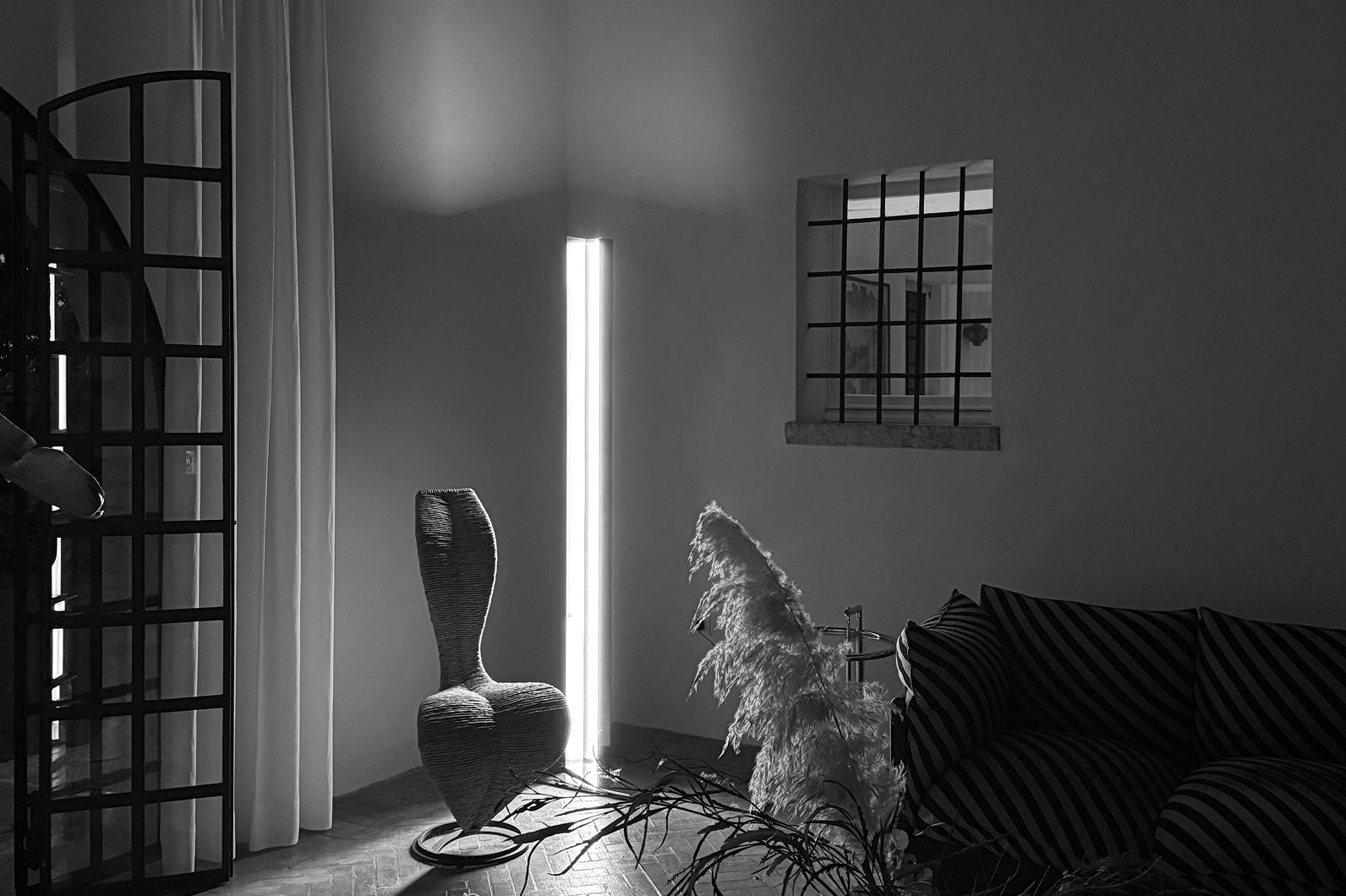
What to do in Asolo:
A Palomar Itinerary
Begin in the historic center
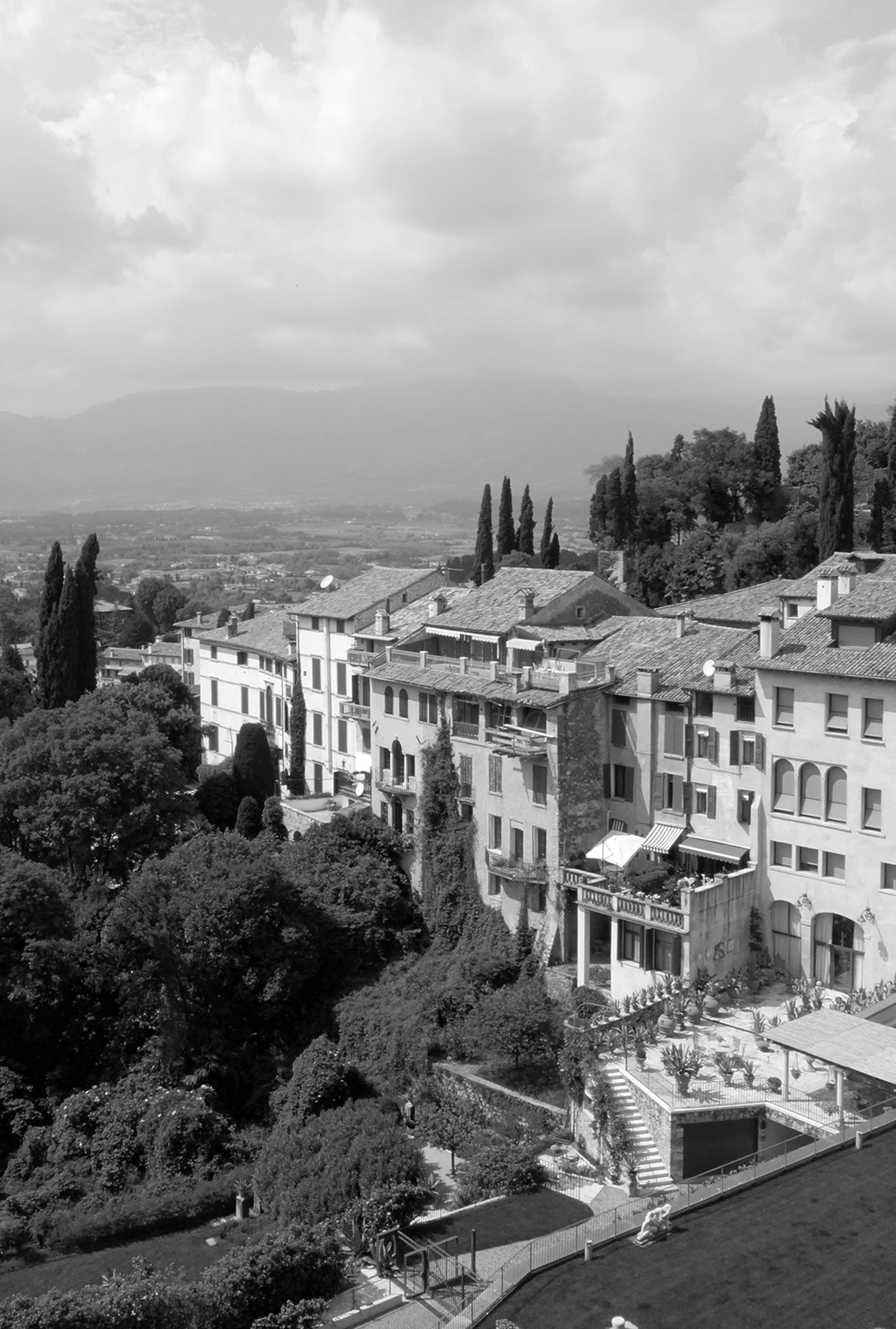
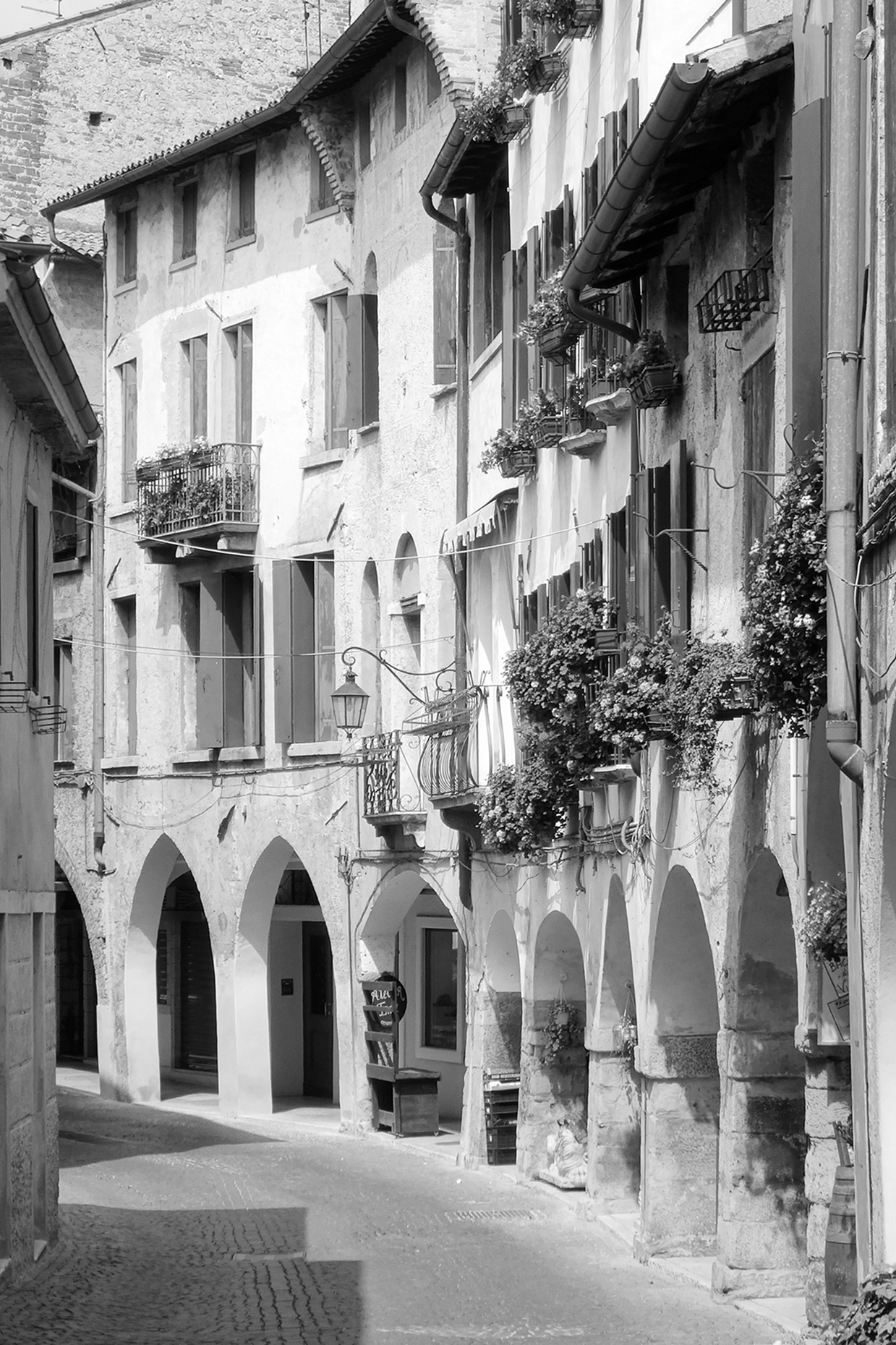
The experience of Asolo should begin slowly, on foot. Start in Piazza Maggiore, then move toward the Duomo, the Loggia, the Museo Civico, and the streets that rise and fold through the historic center. The official Asolo itinerary places many of these landmarks at the heart of a walk through the town’s art and history, enclosed within its medieval walls.
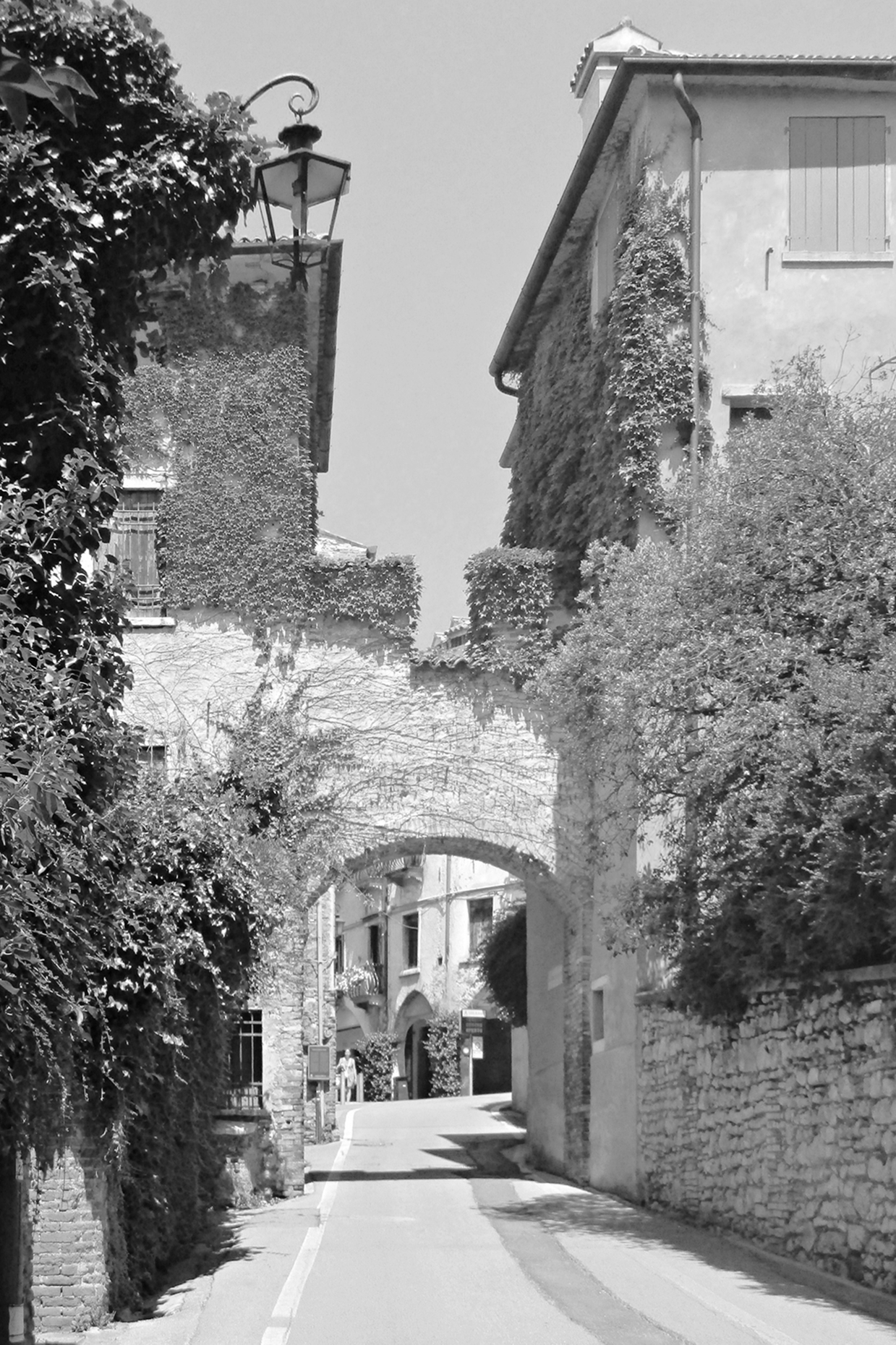
This is the Asolo that belongs naturally to Palomar: quiet stone, shaded arcades, painted façades, sudden vistas, and the feeling that beauty is best discovered without hurry.
Visit the Castle of Caterina Cornaro and Teatro Duse
The Castle of Caterina Cornaro gives Asolo its Renaissance drama. Once the residence of the Queen of Cyprus, it is also connected to Pietro Bembo’s Gli Asolani, making it both a political and literary landmark.
Within the castle complex, Teatro Duse continues the town’s theatrical identity. The current theatre was inaugurated in 1932 and named for Eleonora Duse, one of Asolo’s defining figures. Together, the castle and theatre extend Palomar’s own idea of the interior as a stage: a place where objects, rooms, memory, and performance quietly meet.
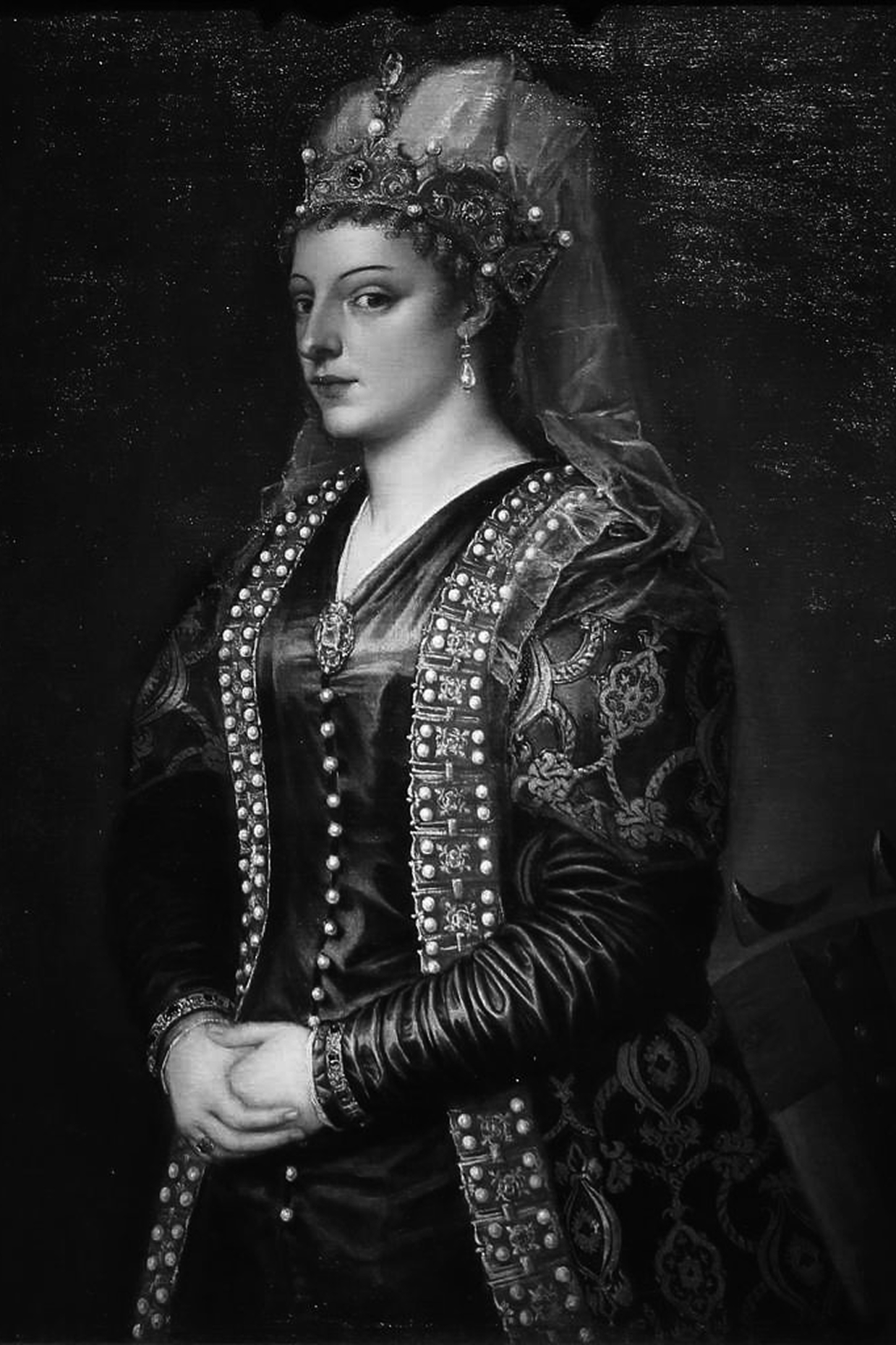
Posthumous portrait 1542 by Titian, of Catherine Carnaro as Saint Catherine of Alexandria.
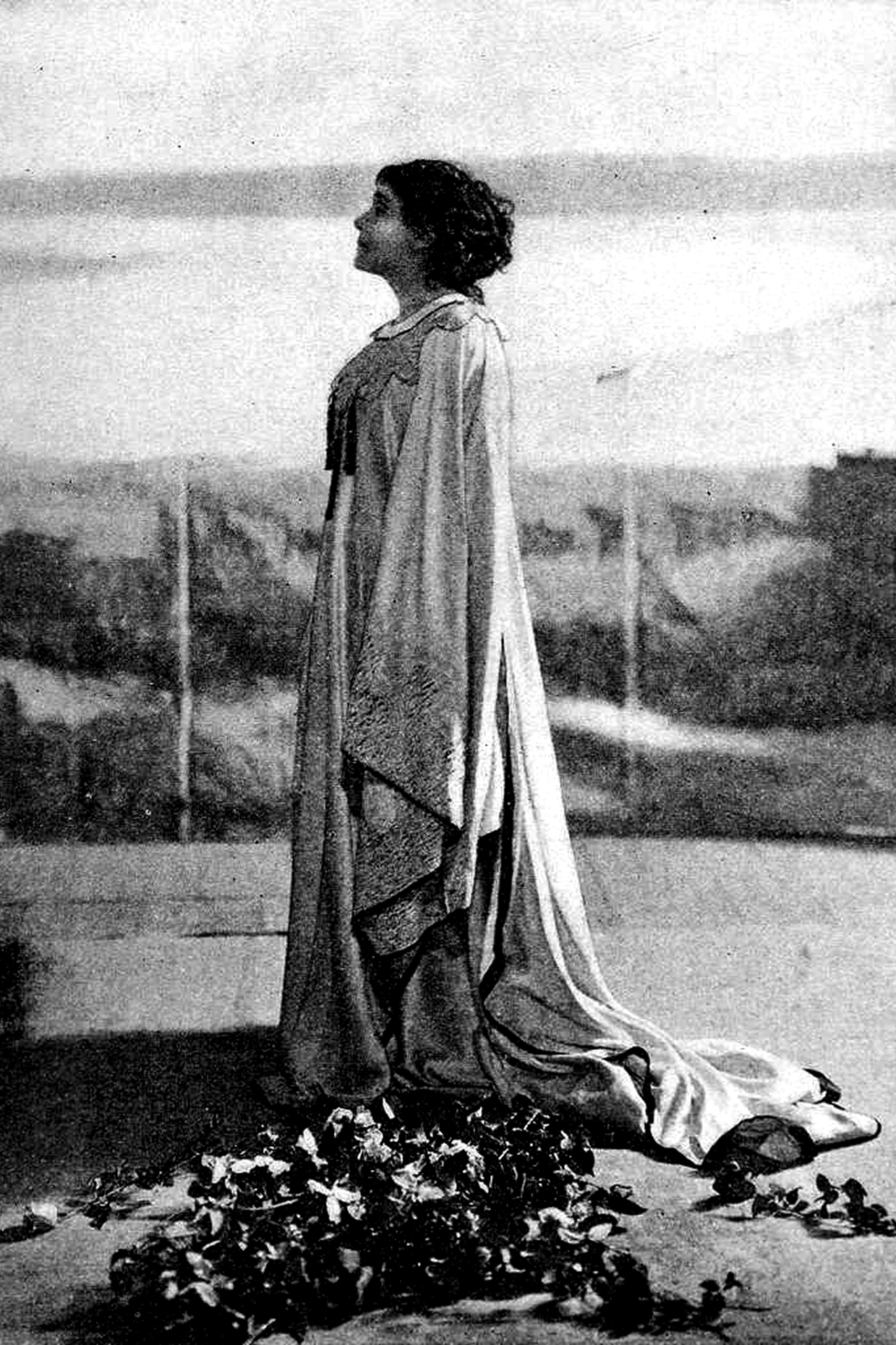
Eleonora Duse (1858–1924), one of the leading figures of modern theatre, chose Asolo as her final home.
Climb to the Rocca di Asolo
Above the town rises the Rocca di Asolo, the polygonal fortress built on Mount Ricco. Archaeological findings date the fortress to the period between the late 12th and early 13th centuries.
The climb is essential. From the Rocca, Asolo reveals why it is called the town of a hundred horizons: the landscape opens toward Monte Grappa, the Veneto hills, and the larger cultural geography that Palomar invites guests to explore.
Walk Via Browning and follow the Scarpa trace
A Palomar stay should include Via Browning, not only for its literary associations but also for its connection to Carlo Scarpa. His Asolo studio house was located there, above Tessoria Asolana, where Scarpa’s engagement with textile and craft became part of his design language.
This is one of the most meaningful Asolo stops for guests interested in design. It is less monumental than Brion, but deeply revealing: Scarpa not as architect of grand gestures, but as a mind attentive to weave, color, texture, and the intelligence of the handmade.
Visit Villa Freya
Villa Freya, the Asolo home of explorer and writer Freya Stark, adds another layer to the town’s mythology. Stark chose Asolo as a place to recover after her travels in the Middle East, and the grounds were once transformed into a botanical garden with species collected during her journeys. The park also occupies an area connected to the Roman theatre complex discovered in the 19th century.
Today, Villa Freya’s garden covers about 5,000 square meters, unfolding as a sequence of natural rooms, plants, scents, and views. For Palomar, it is a perfect counterpoint: elegant, eclectic, private, and quietly adventurous.
Carlo Scarpa’s Veneto
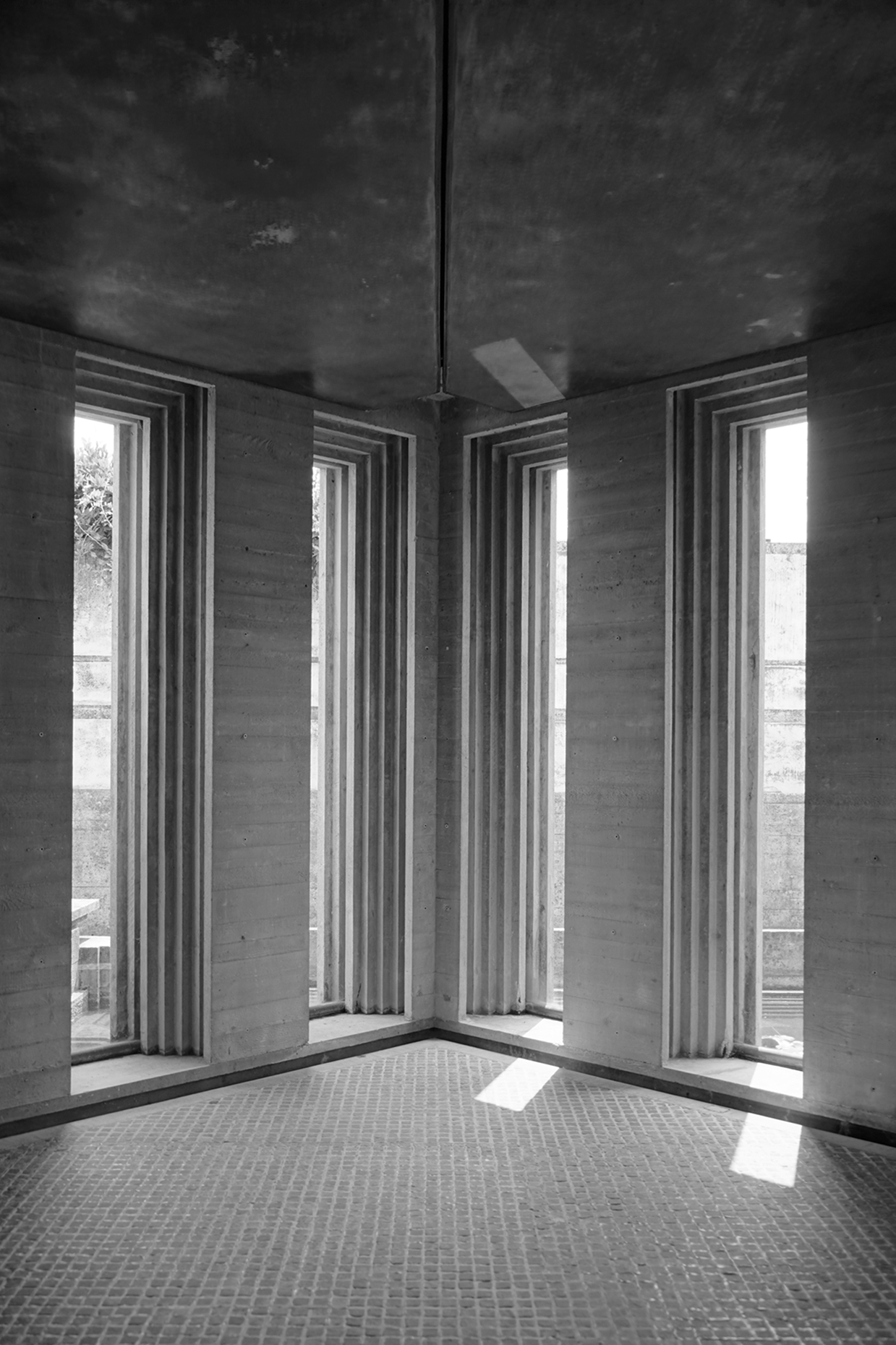
The essential Palomar excursion is the Brion Memorial in San Vito d’Altivole, described by FAI as an absolute masterpiece of modernism, Venetian art, and Eastern philosophical influence, shaped around the theme of true love.
From there, continue to Possagno and the Gypsotheca Antonio Canova, where Scarpa’s wing, built between 1955 and 1957, is widely recognized as one of his most important works. This route gives Palomar its strongest architectural itinerary: Scarpa, Canova, light, plaster, water, and silence.
The route can extend to Venice, where Scarpa’s interventions at the Fondazione Querini Stampalia and the Negozio Olivetti reveal his genius for inserting modern architecture into historic Venetian space with extraordinary sensitivity.
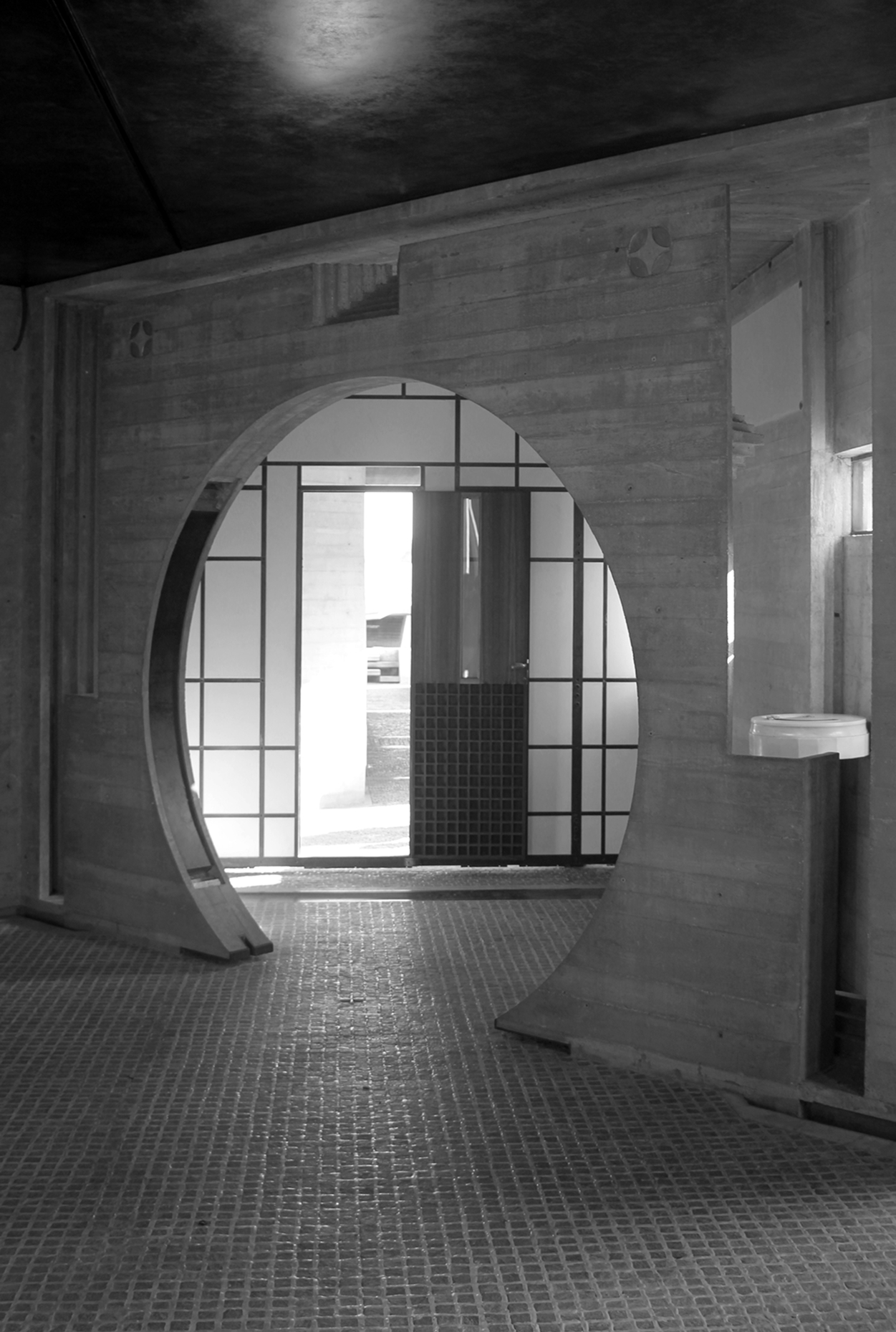
Detail of the Brion Tomb, designed by Carlo Scarpa between 1969 and 1978.
Villa Barbaro in Maser
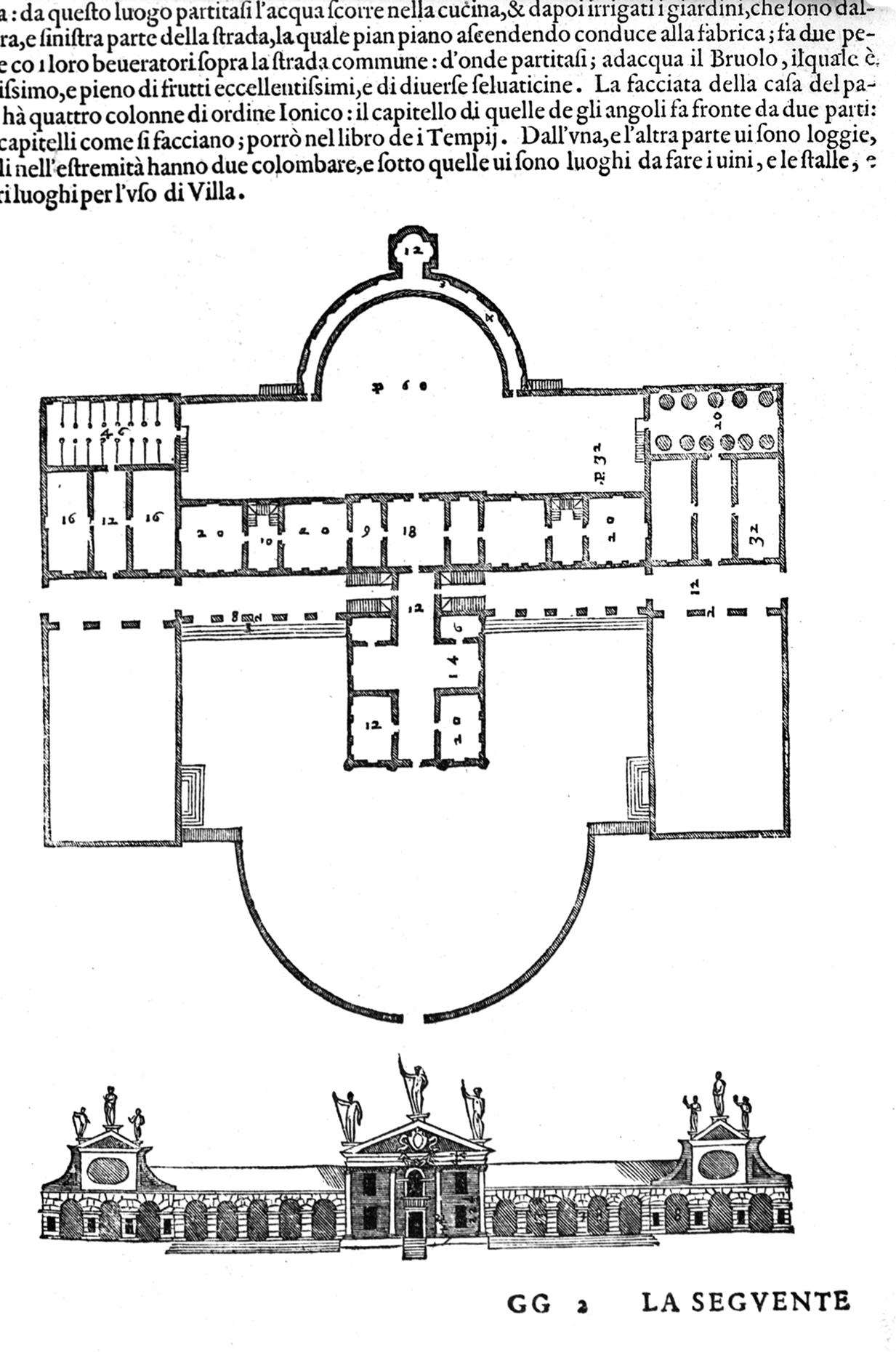
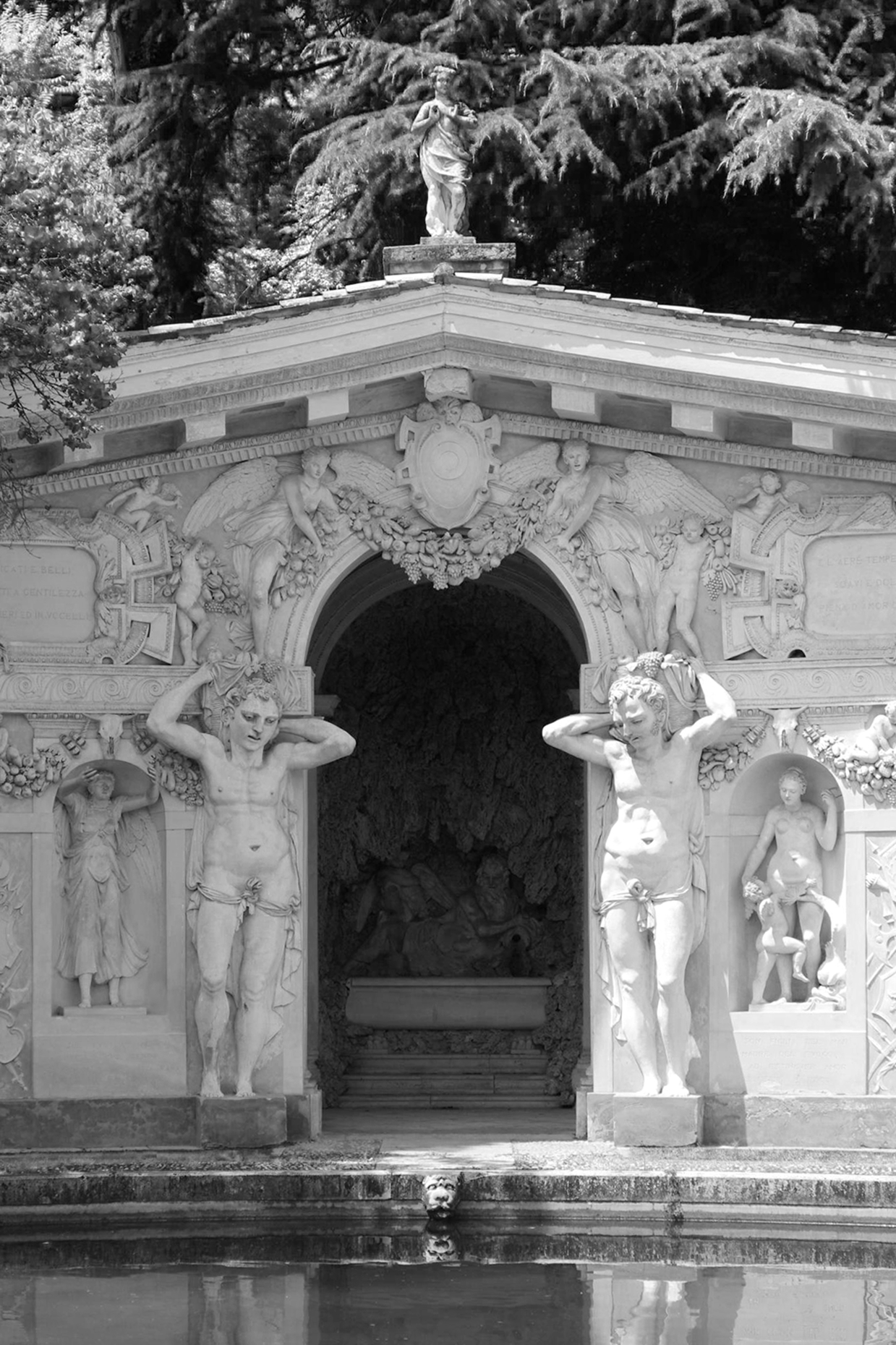
Nearby Villa Barbaro, also known as Villa di Maser, offers the Palladian counterpoint. Its rooms contain one of the great treasures of the Venetian Renaissance: frescoes by Paolo Veronese and stuccoes by Alessandro Vittoria. The villa itself is a UNESCO World Heritage Site.
For Palomar guests, Villa Barbaro completes a Veneto dialogue: Palladio’s Renaissance order, Canova’s neoclassical sculpture, Scarpa’s modern precision, and Duplex’s contemporary eye.
Bassano del Grappa
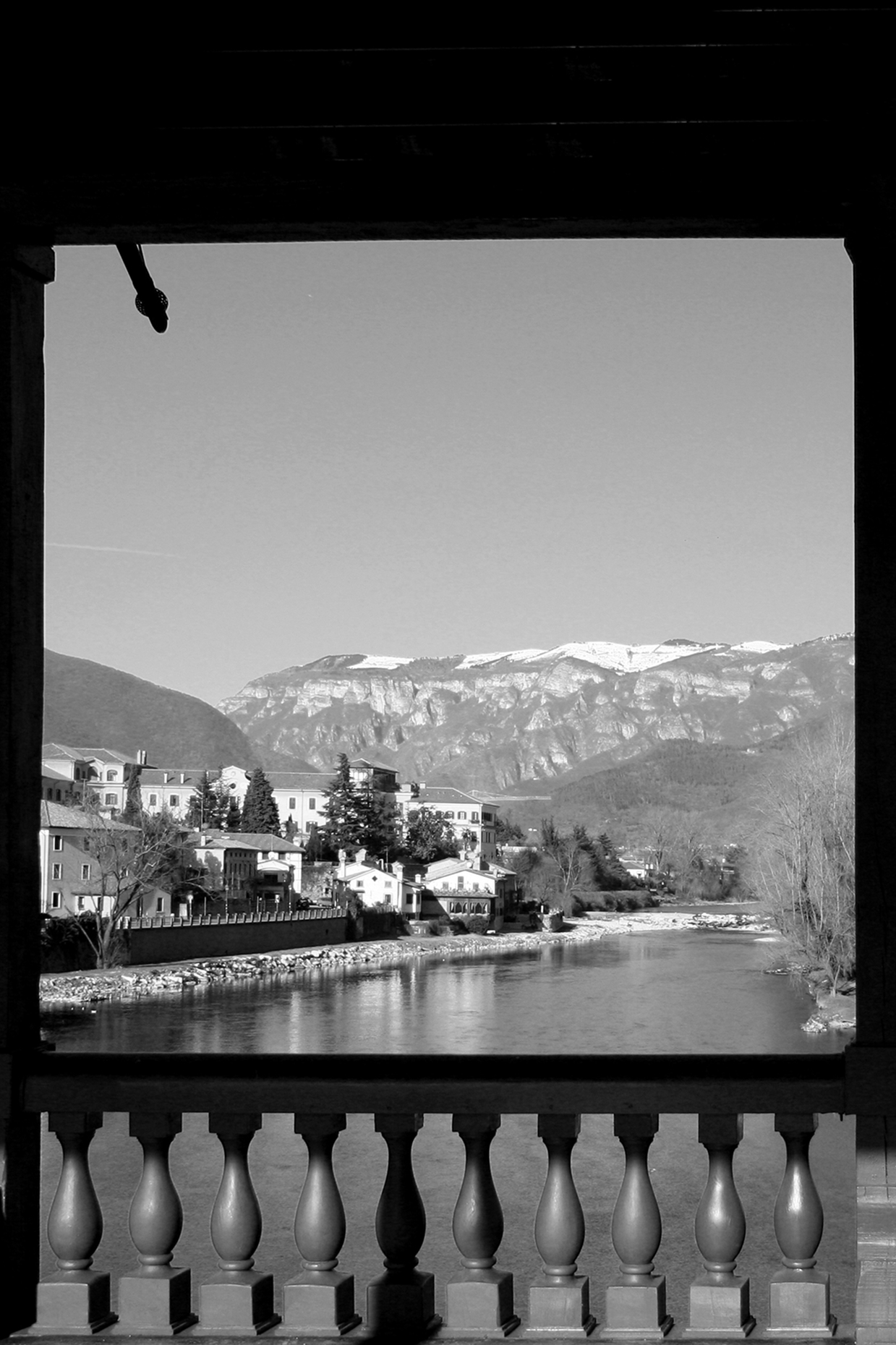
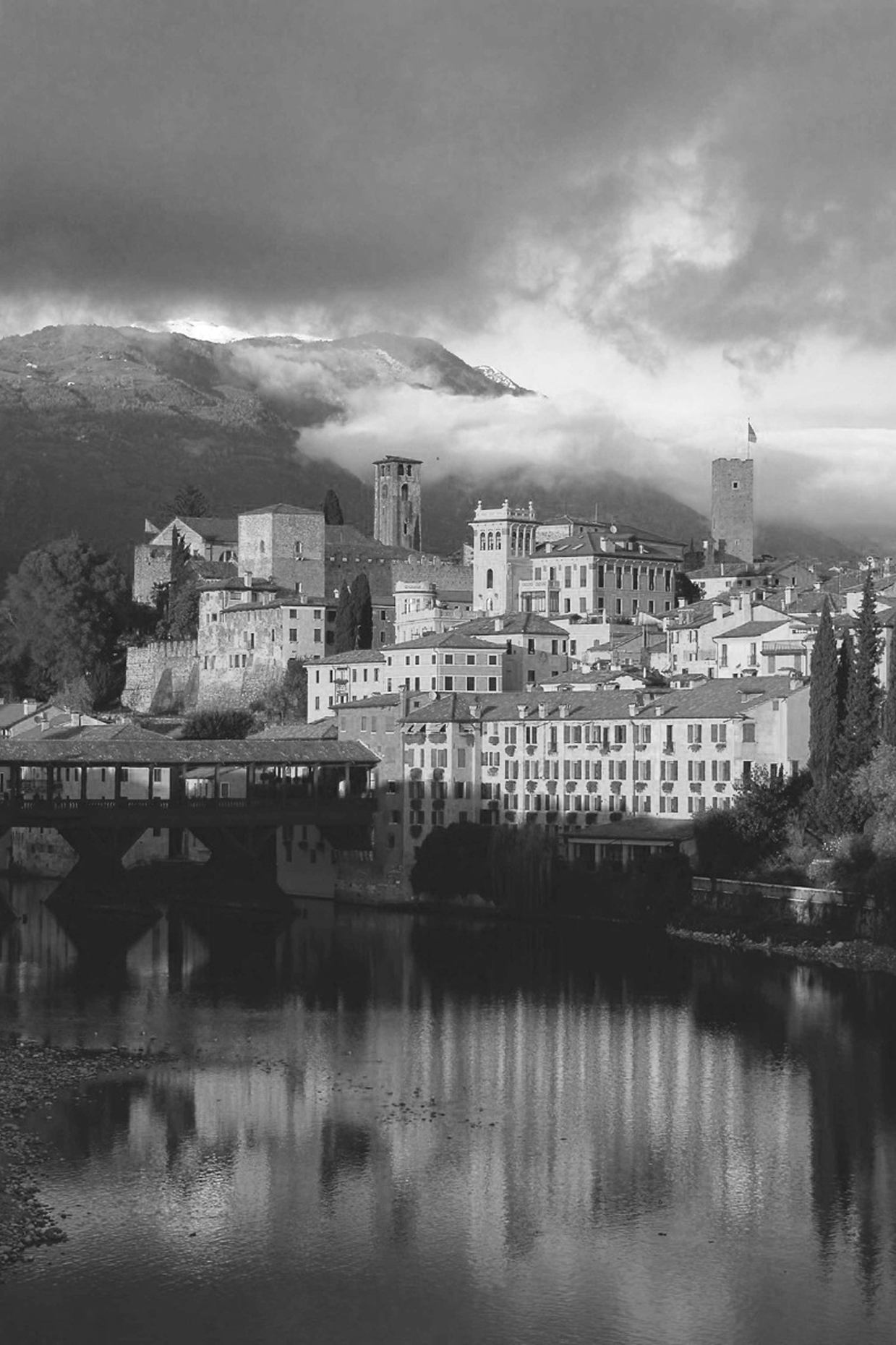
Bassano del Grappa brings river, craft, memory, and war history into the itinerary. The Ponte Vecchio, also known as the Ponte degli Alpini, has been recognized as a National Monument since June 2019 and remains a civic symbol of Bassano and the Alpini.
For history, the Museo degli Alpini describes life in the trenches during the First and Second World Wars, both of which marked the territory and its memory. The nearby Hemingway Museum and Great War Museum at Villa Ca’ Erizzo also connects Bassano to the First World War; the villa hosted American Red Cross volunteers in 1918, including a young Ernest Hemingway.
For a deeper excursion, Monte Grappa and the Sacrario Militare di Cima Grappa offer a powerful memorial landscape at 1,776 meters.
Venice
Venice remains the larger horizon, roughly one hour away by car. For a Palomar guest, the most compelling Venetian extension is not only San Marco or the Grand Canal, but Scarpa’s Venice: the Fondazione Querini Stampalia, where his restoration transformed water, garden, concrete, and Istrian stone into spatial poetry, and the Negozio Olivetti in Piazza San Marco, described by FAI as a small masterpiece by Carlo Scarpa.
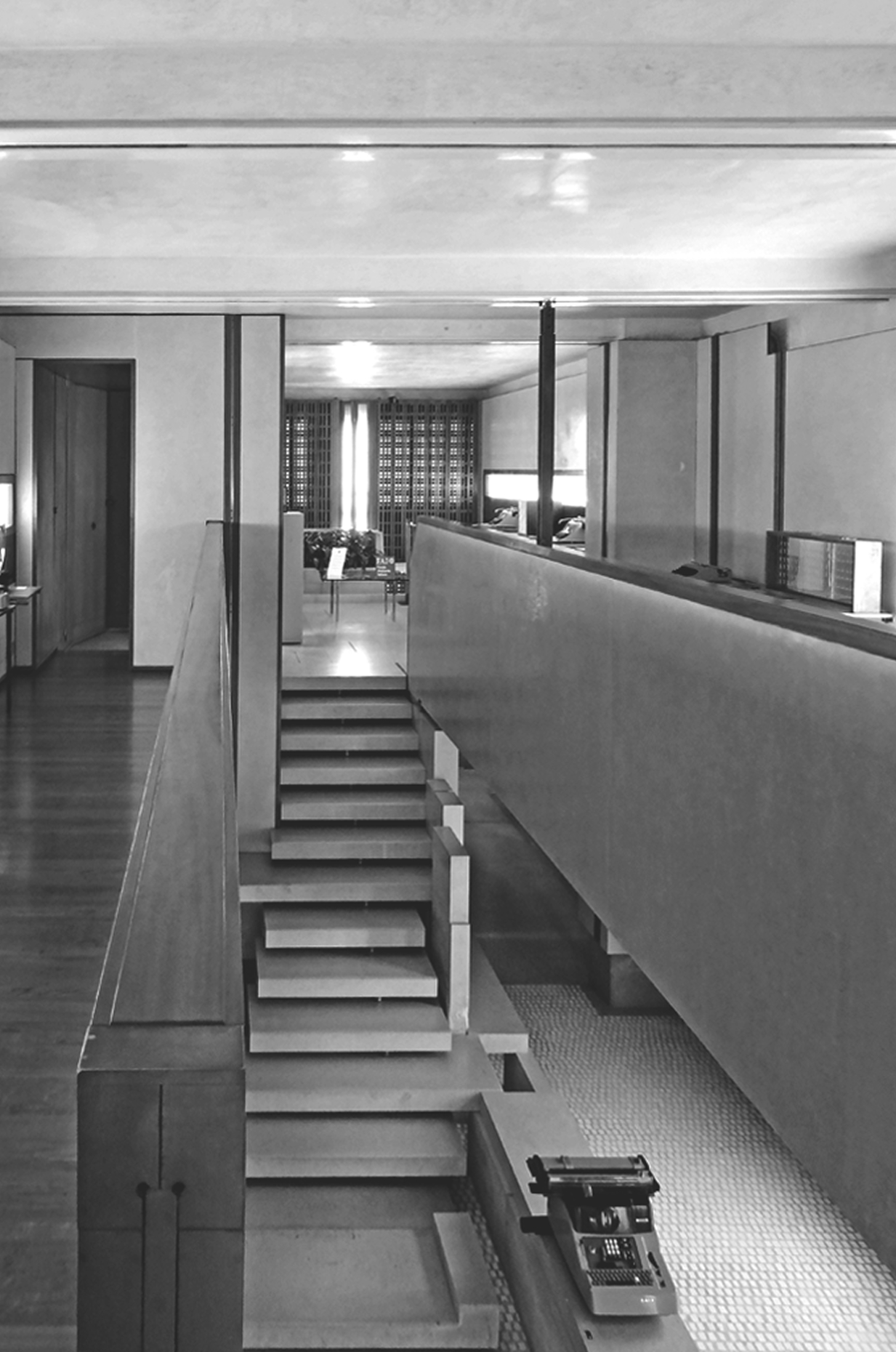
Interior of the Olivetti Showroom in St. Mark’s Square, Venice. Designed by Carlo Scarpa between 1957 and 1958 for Adriano Olivetti, it is the only surviving example of the company’s iconic network of showrooms